Fixture Congestion Betting: How Packed Schedules Create Value in Football
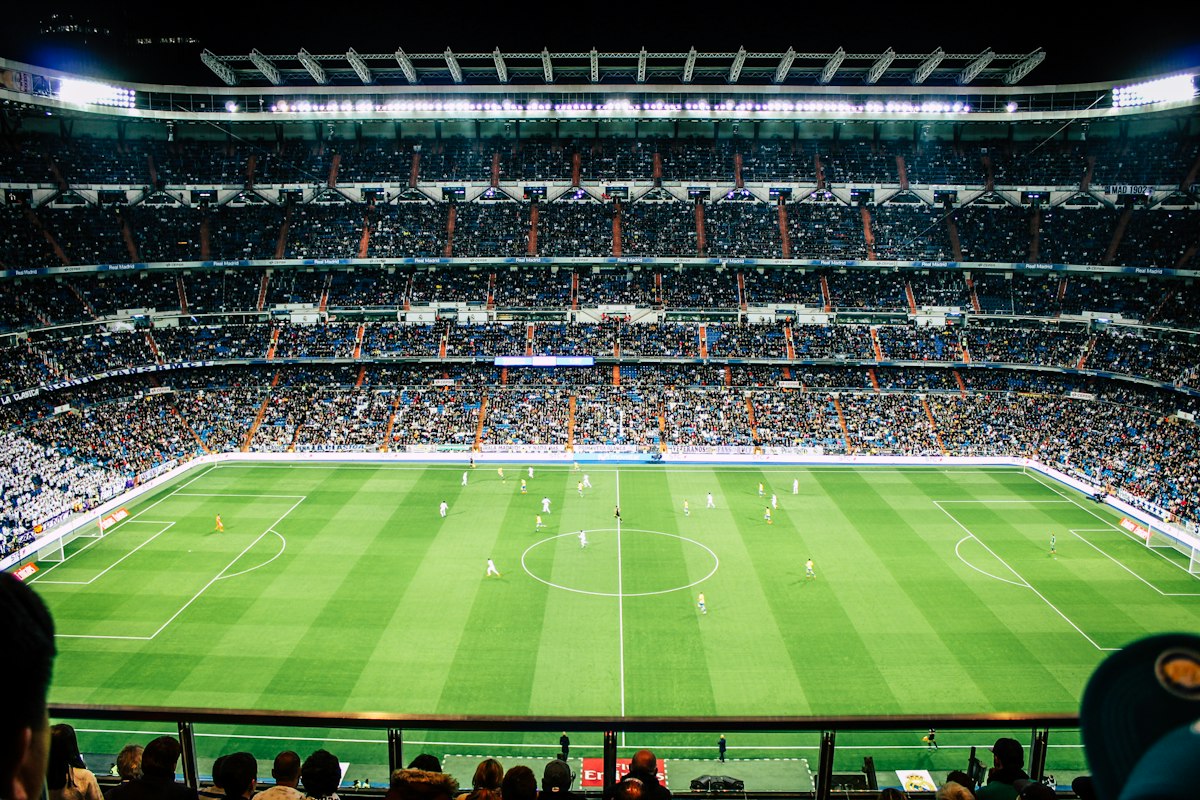
- Primary Signal: Fixture Congestion Betting: How Packed Schedules Create Value in Football
- Overview: Teams playing three games in a week are not the same team as on a fresh Saturday. Learn how congestion affects scoring, results and prices, and which sides cope best with the pile-...
- Verification: Analyzed and compiled by FootballBet Center editorial monitoring desk.
A team playing its third match in eight days is a different proposition from the same team with a full week to prepare. Legs get heavy, injuries pile up, managers rotate, and the quality of football drops. Bookmakers account for some of this, but fixture congestion is one of the areas where the market is consistently slow, because it requires tracking rest days, travel and squad depth across several competitions at once. Bettors who do that work can find real value.
How Congestion Changes a Match
Tired teams score fewer goals and concede more late goals. The first hour may look normal, but as legs tire, defensive shape loosens, concentration slips, and the team that has fresher substitutes gains an edge. That is why second-half goals and late goals markets are often good value when one side is on a short rest and the other is fresh. The congested side also presses less, which reduces the tempo of the game and can suppress the total goals line.
Rotation is the other big effect. A manager with a thin squad cannot rotate without weakening the team, while a deep squad can change five players and barely notice. Check the likely line-up rather than assuming the best eleven will play: a team in a congested spell may rest its star striker for a league game ahead of a bigger cup tie, and the market sometimes prices the match as if the full-strength side is playing.
Which Teams Cope Best
Squad depth is the single best predictor of how a team handles congestion. Clubs with two good players in every position can rotate freely, while clubs with a small core of key players fall apart when those players tire or get injured. Check how many players the team has used this season: a high number usually means the manager trusts his squad, while a low number means the same eleven are carrying the load.
Playing style matters too. High-pressing teams suffer more from congestion than deep, compact sides, because pressing demands repeated sprints that tired legs cannot produce. A possession team that controls the ball at walking pace copes better than a team that chases every ball. Young squads also recover faster than old ones, so a youthful team on short rest is a better bet than a veteran side in the same situation.
Finding Value in Congested Fixtures
The best value usually sits with the fresh underdog. When a favourite is playing its third game in a week, away from home, after a long trip, the market often still prices them as if they were fresh, especially if their name carries weight. The draw and the underdog double chance become attractive in those spots, and the under on total goals is worth a look if both sides are tired.
Travel is the hidden factor. A team that played in Europe on Thursday night and travels again for a Sunday away game is carrying more fatigue than the fixture list alone suggests. Check the distance travelled and the time zones crossed, not just the number of days between games. December and January, when cup replays and rescheduled fixtures pile up, are the richest months for congestion betting.
Frequently Asked Questions
Q: Does fixture congestion reduce goals in football?
A: Usually yes, tired teams press less and play at a lower tempo, which can suppress scoring. But tired defences also concede more late goals, so second-half and late-goal markets can still offer value.
Q: How many rest days matter in football betting?
A: The gap between two and three rest days is significant, and a team with two days' rest against a team with six or seven is at a real disadvantage. Anything under three days deserves attention.
Q: Which teams handle fixture congestion best?
A: Deep squads with two good players per position, possession-based teams that control the tempo, and young squads that recover quickly. Thin, high-pressing, veteran sides struggle most.
📖 Continue Reading the Full Story
Continue reading this article on FootballBet Center.
⚡ Access Full Content NowMore from FootballBet Center



 ⚽ Football2026 Live
Over Under 2.5 Goals Betting in Football: A Beginner's Strategy Guide
Over/under 2.5 goals is one of football's simplest markets: you only predict whether a match has three or more...
 ⚽ SportsBet Insights Live
Premier League Both Teams to Score Betting Guide: When BTTS Has Real Value
Both teams to score is one of the most popular Premier League markets, and one of the most mispriced by casual...
 📋 Football2026 Tactics
ROI & Value Audit: Calculadora de Parlay — Odds Combinadas e Prêmios (Day 15 Guide)
How to save time and eliminate guesswork with Calculadora de Parlay — Odds Combinadas e Prêmios on Football202...
⚽ Global Football Odds
Comparative Review: Calculadora de Parlay — Odds Combinadas e Prêmios (Day 11 Guide)
Why our free online Calculadora de Parlay — Odds Combinadas e Prêmios on Global Football Odds. Discover essent...